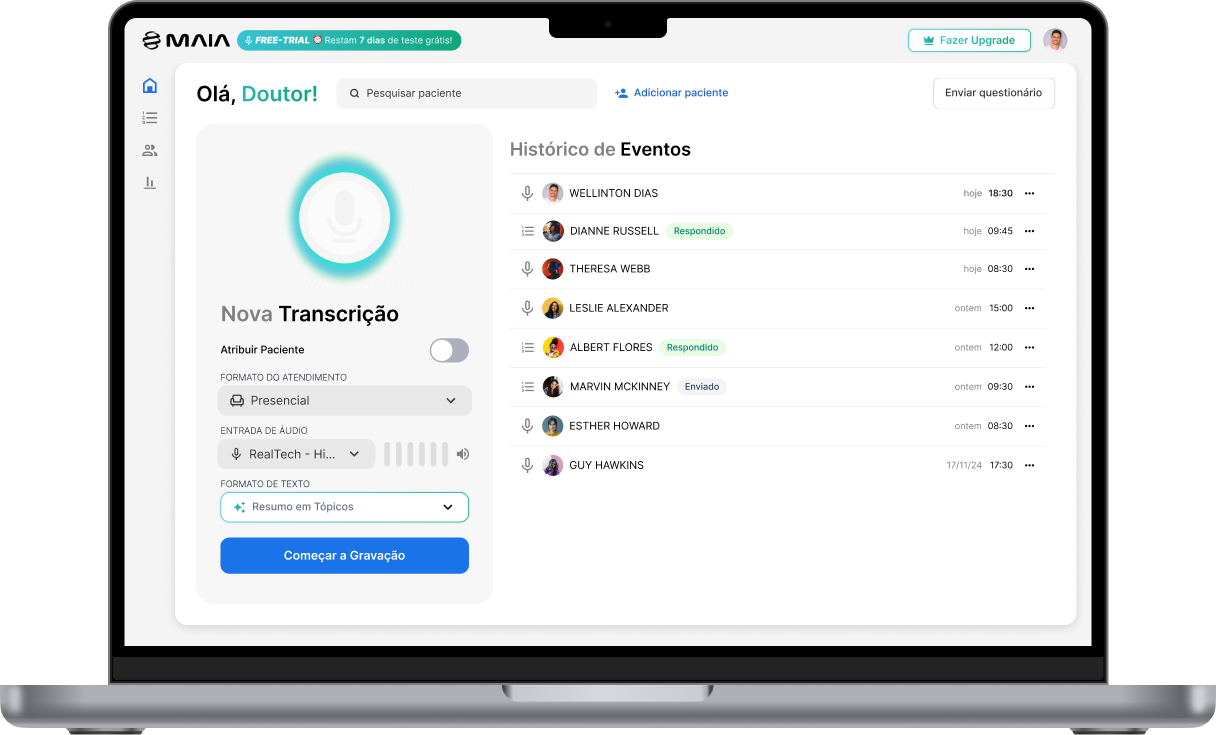
Start with what matters
The new home for trial users put transcription front and center, reducing the number of options and decisions needed on the first visit.


 Rogerio
Maia Health - 2025

Maia is a SaaS platform that helps healthcare professionals reduce the administrative load of clinical work, bringing electronic health records, patient management and AI tools together in one place.
Context data
Almost 2 hours a day. That's how long physicians spend, on average, on health records and clinical documentation outside working hours, according to a study of US physicians (JAMA Internal Medicine, 2022, 2019 data).
*This figure does not refer to Maia users.
Growing new user acquisition was a business priority. At the time, the process relied on sales demos, but the sales team was struggling to get them booked.
More than 50% of scheduled demos never happened. On the other hand, among professionals who did attend a Maia demo, the reported sales conversion was above 80%.
That gap suggested the platform had a compelling value proposition, but depended on a sales process that made it hard for new users to reach the product.
>50%
of scheduled demos never happened (no-show).
>80%
sales conversion among professionals who attended a Maia demo.
Data reported by the sales team.

How might we get more people to discover and experience Maia's value?
Discovery
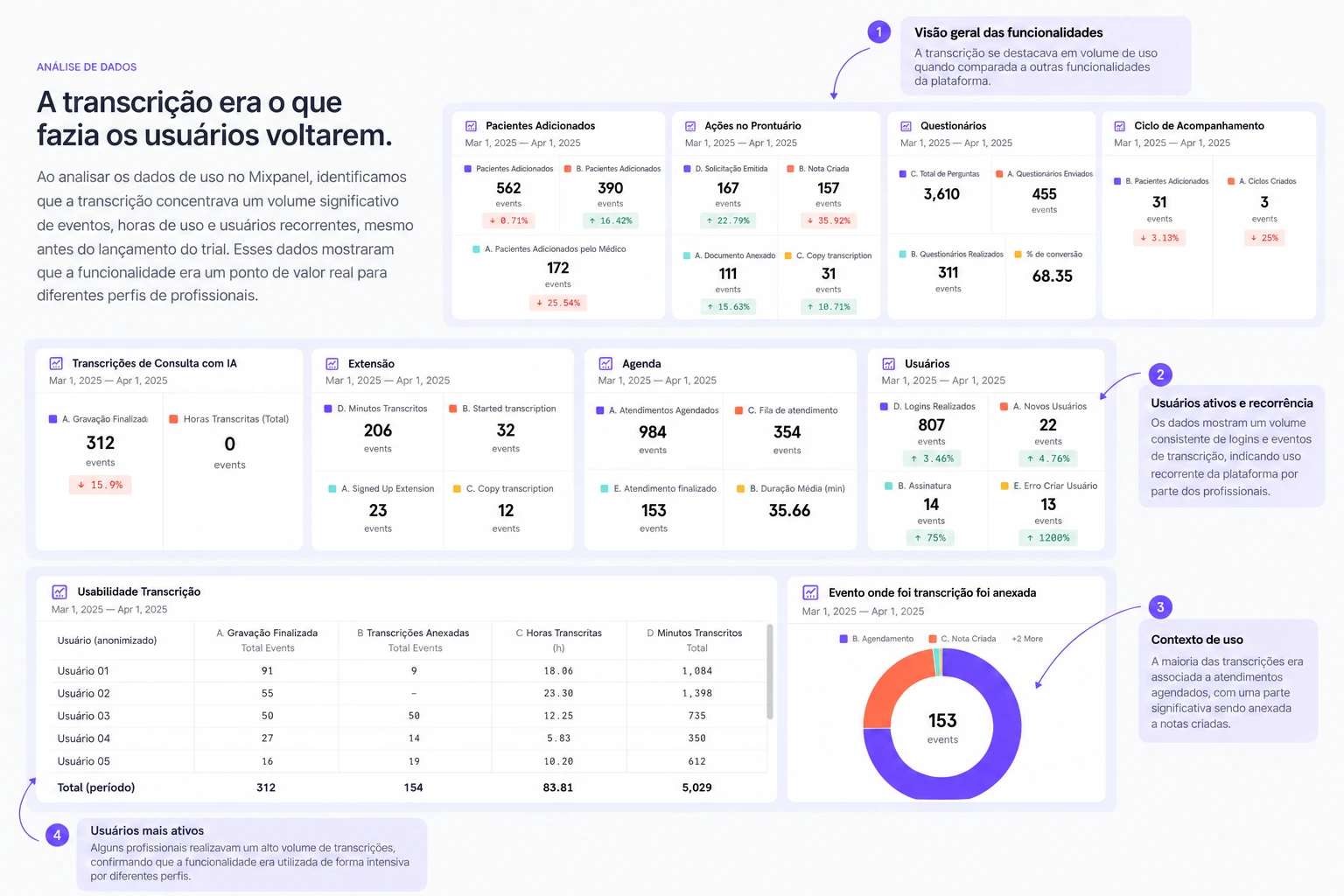
Every week I tracked Maia's usage data in Mixpanel, looking at how people used the platform, especially the most active users.
Over time, a pattern emerged: AI transcription accounted for far more usage than any other feature. Some professionals came back to Maia again and again just to use it.
Even so, transcription lived inside the health record flow. To reach it, users had to go through several steps, including creating and selecting a patient, even when they had no interest in using the health record.
Product hypotheses
01 · First contact
We believed that making transcription the first experience would increase the share of new users who actually experienced Maia's value.
02 · Free access
We believed that letting people use transcription before a sales demo would lower the barrier to entry and increase the number of professionals trying the platform.
Design decision
The Mixpanel finding opened an opportunity: turn AI transcription into Maia's main entry point.
Until then, acquisition depended on sales demos. I proposed introducing a free trial, following a Product-Led Growth (PLG) approach, in which new users could try transcription before talking to the sales team.
The design decision was to remove barriers to that first use: let users reach transcription without having to learn or set up the health record.
The other features would be introduced as users needed them, instead of competing for attention on the very first visit.
Experience redesign
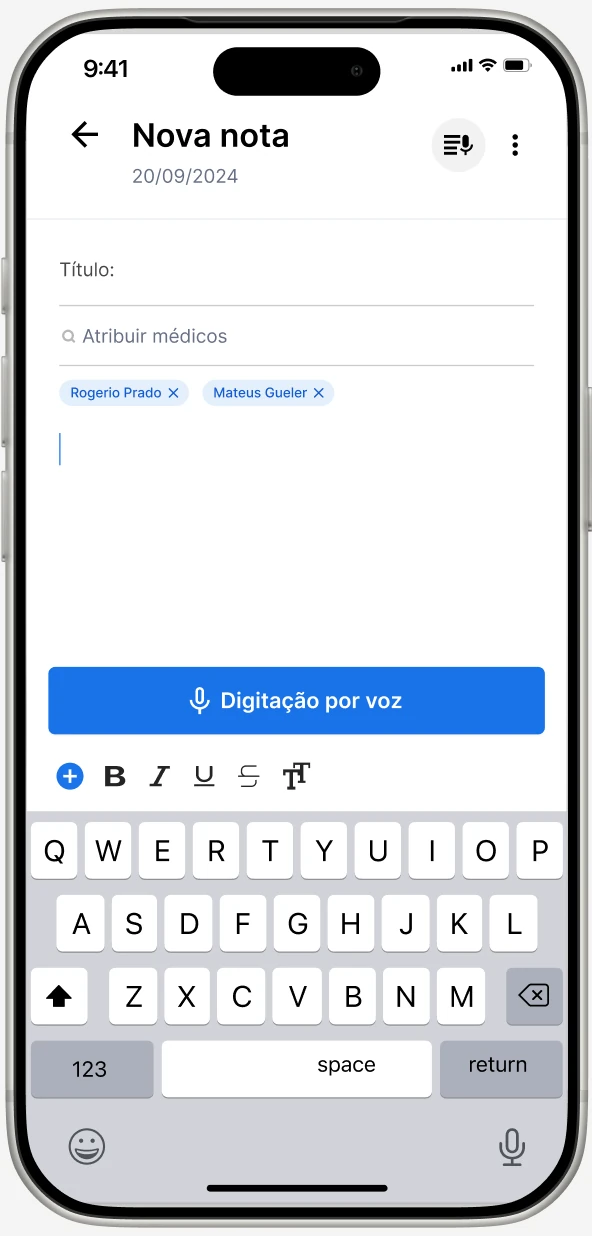
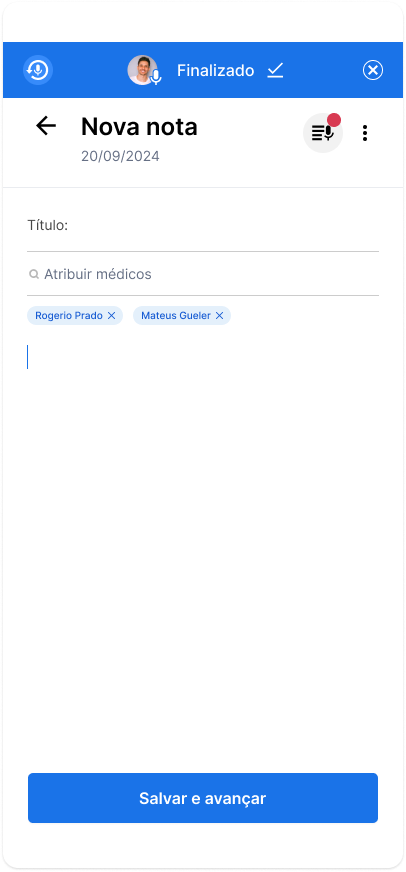
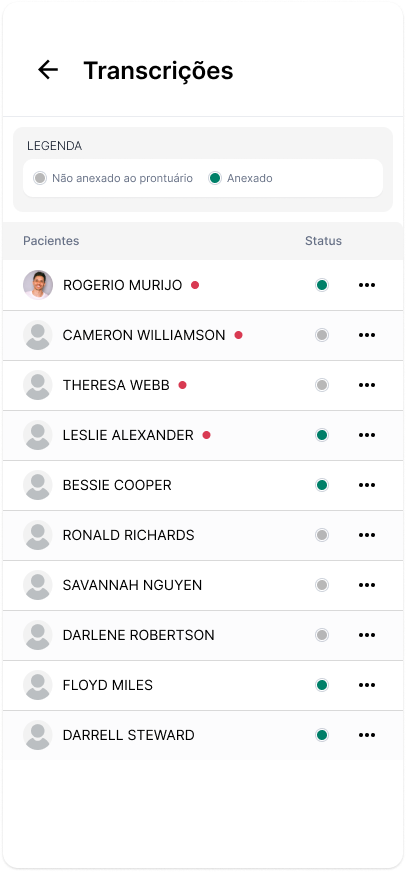
Before, to start a transcription, users had to find or create a patient, open their health record and create an entry.
That flow made sense for people using Maia as their health record, but added unnecessary steps for those who just wanted to transcribe an appointment.
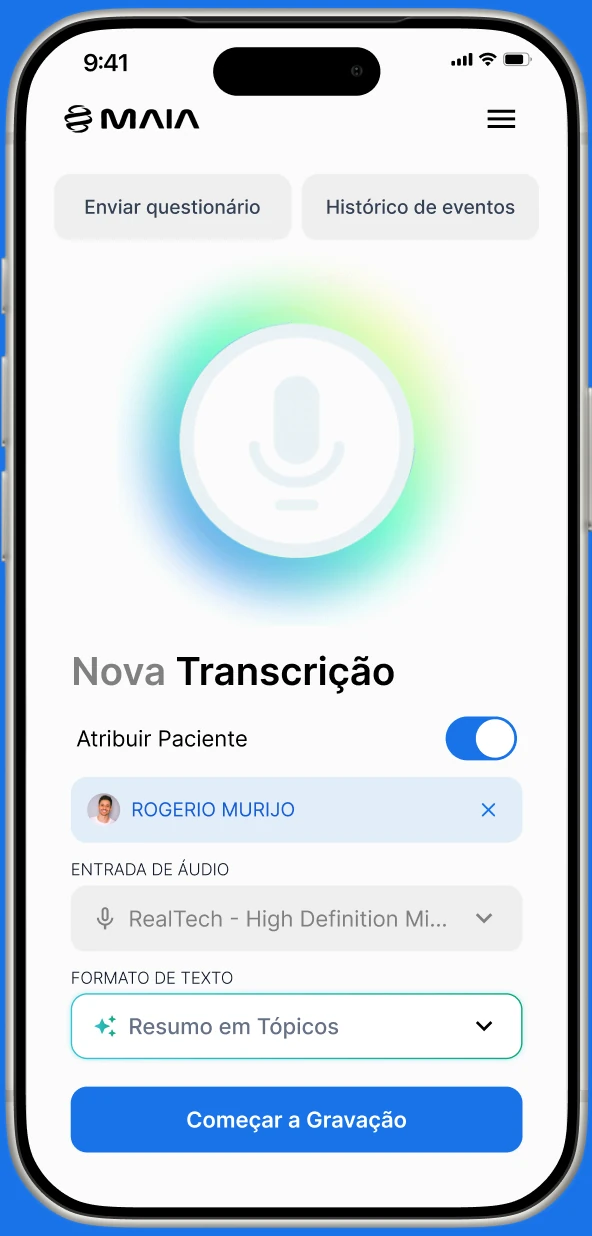
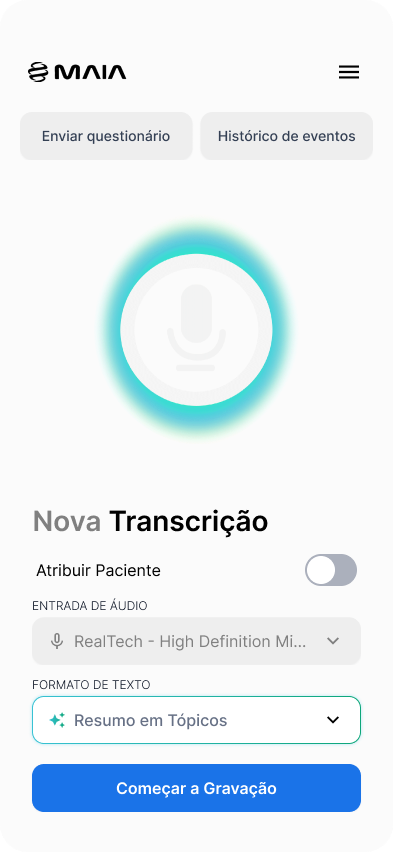
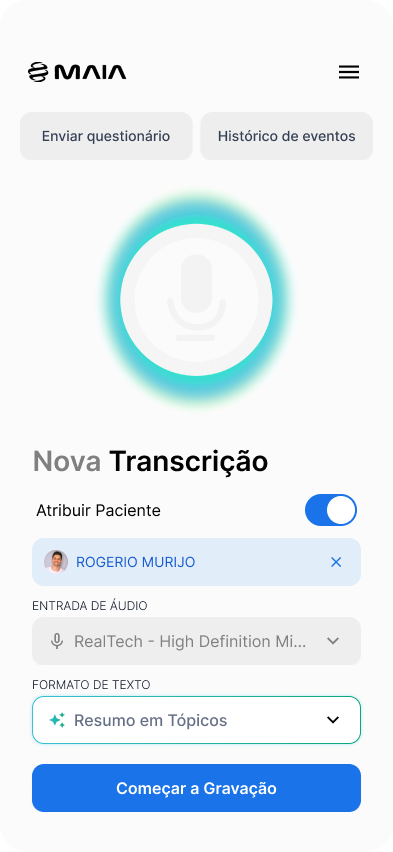
I redesigned the journey so new users could start a transcription right from the first screen, without creating or linking a patient.
Afterwards, they could copy the result into the system they already used, or assign it to a patient in Maia.
Before
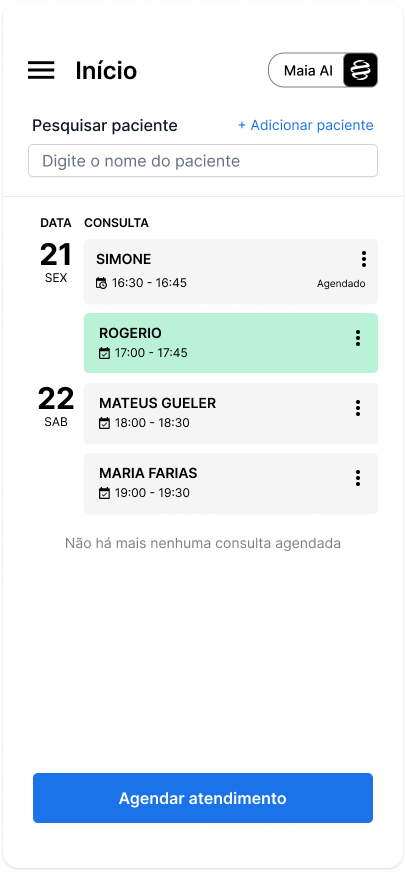 01 · Home
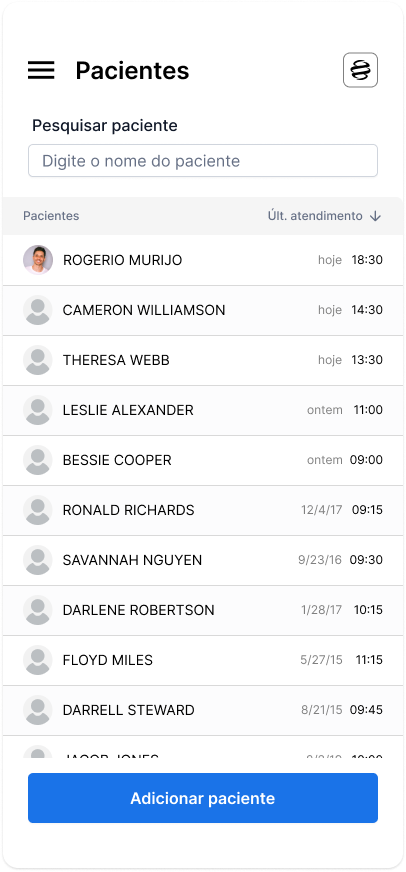 02 · Patient
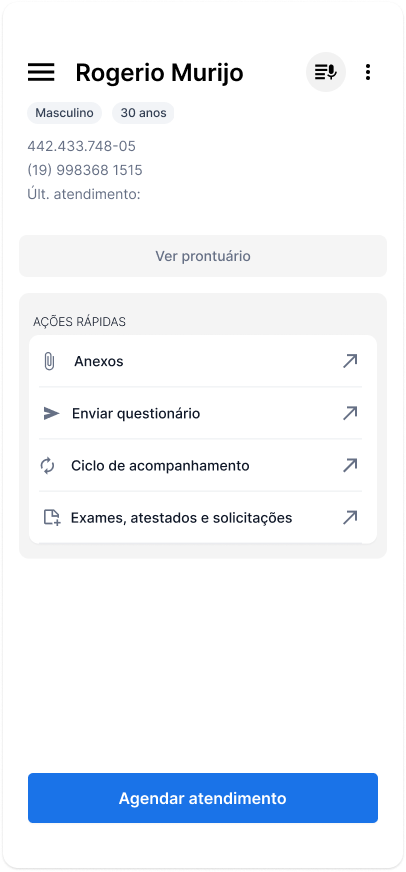 03 · Health record
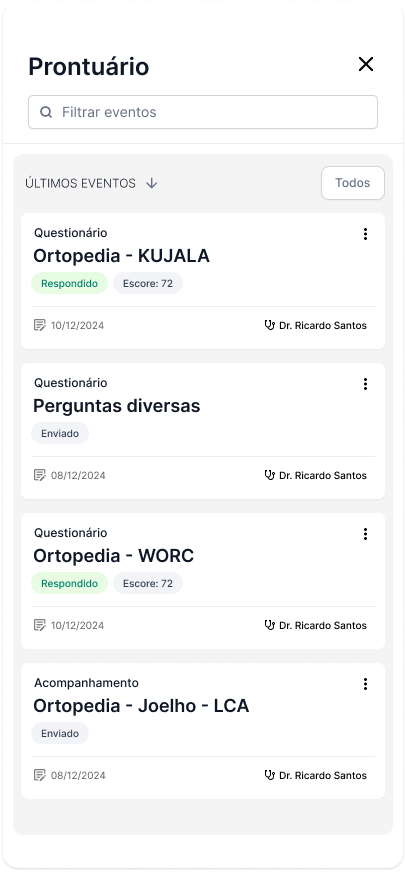 04 · Notes
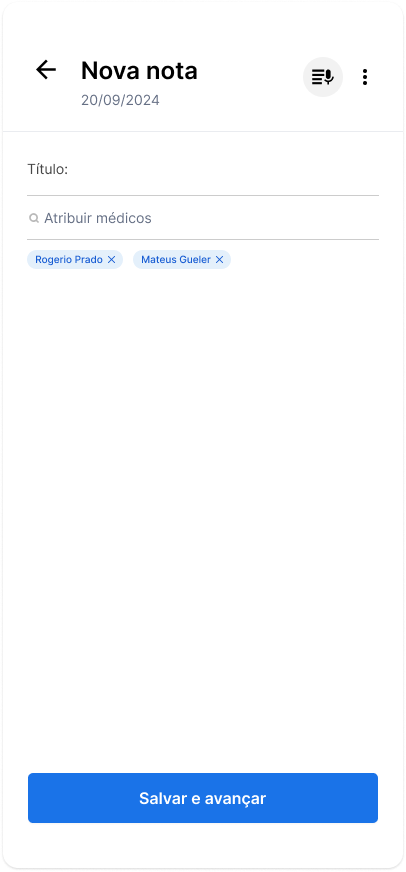 05 · New note
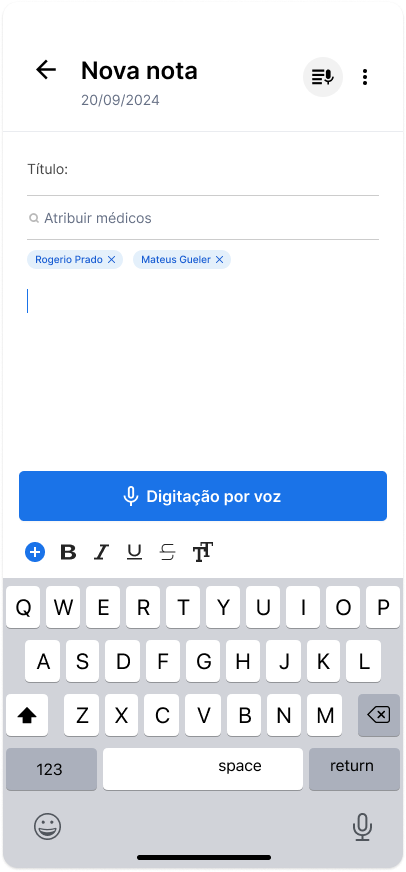 06 · Edit note
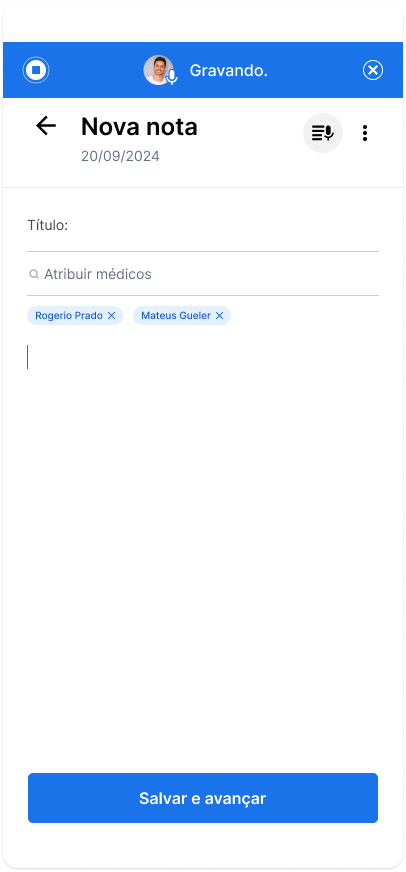 07 · Recording
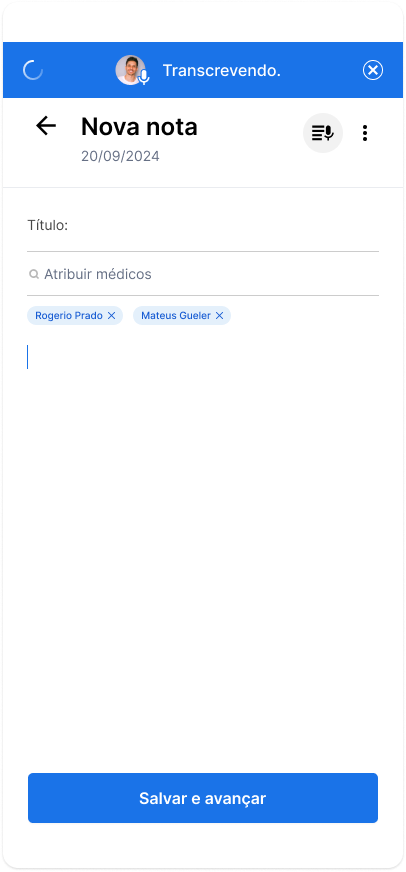 08 · Transcribing
 09 · Done
 10 · Transcriptions
After
 01 · Home
 02 · Patient
 03 · Recording
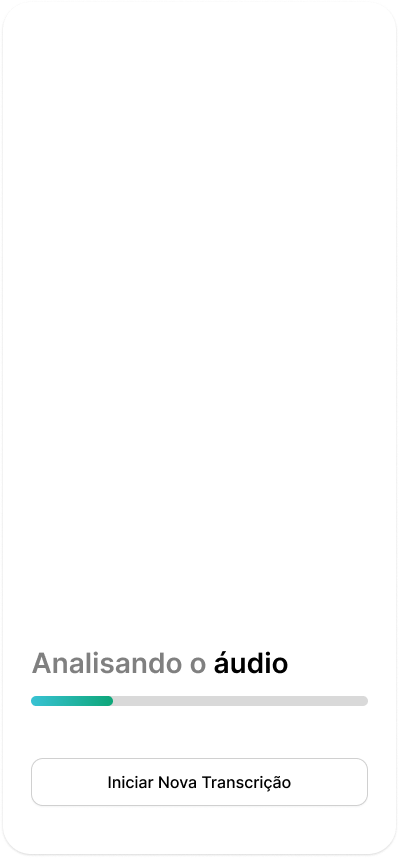
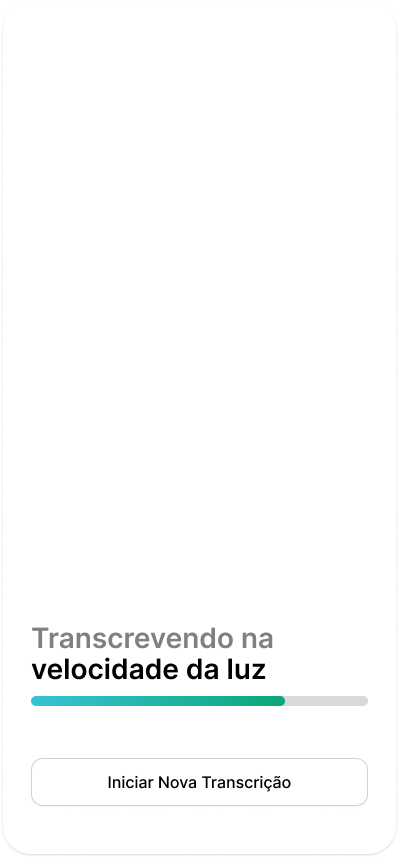
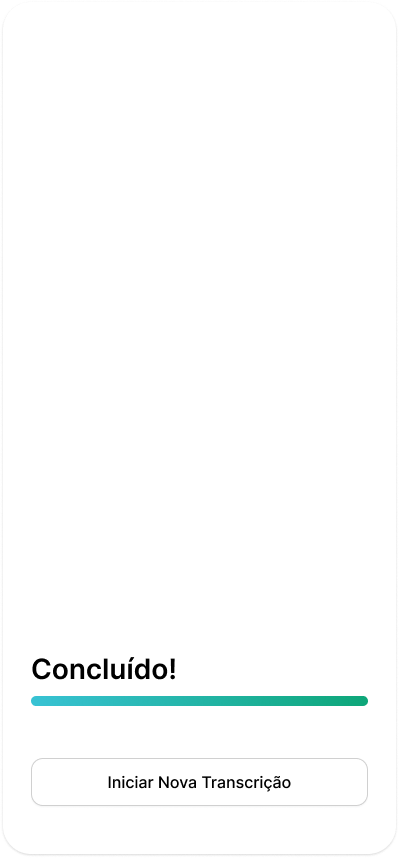
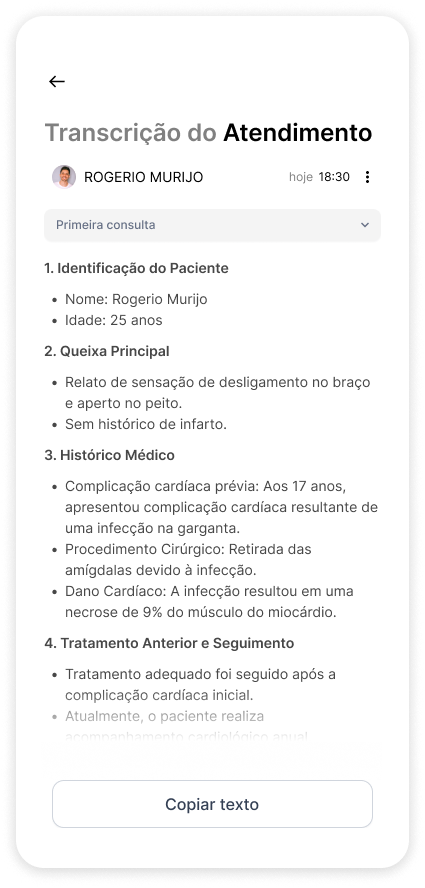 05 · Result
Illustrative simulation
Appointments per day
40
steps per day in the previous flow
24
fewer steps per day with the new flow
Assumption: one transcription per appointment. A step count, not time saved or an observed usage metric.
Trade-off 01
What we gave up
Less exposure to the health record
By no longer requiring a patient to be created, we reduced early contact with the health record and the chance to build it into the user's routine.
What we gained
Faster access to value
New users could start transcribing without setting up the health record, cutting steps they didn't need for their main task.
How we balanced it
Adopting the health record stopped being a requirement and became an option.
After transcribing, users could assign the result to a patient in Maia. That kept opportunities to discover the health record without getting in the way of the first transcription.
Design Rationale
Before
After
Solution
I redesigned Maia's first experience to put AI transcription at the center of the journey. Instead of presenting every feature at once, the new interface prioritized a single task: starting a transcription.
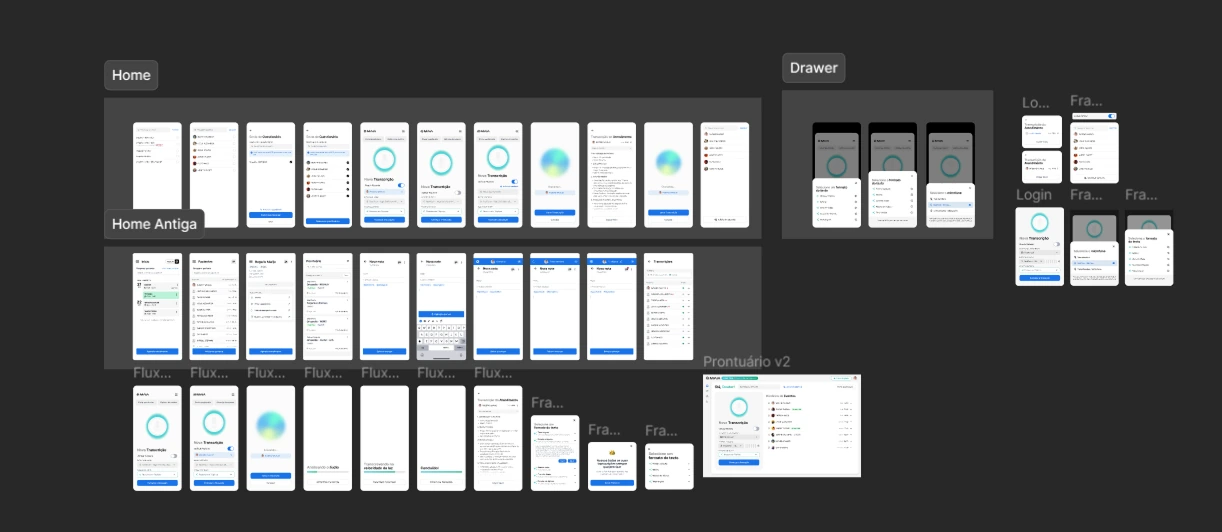
The new home for trial users put transcription front and center, reducing the number of options and decisions needed on the first visit.
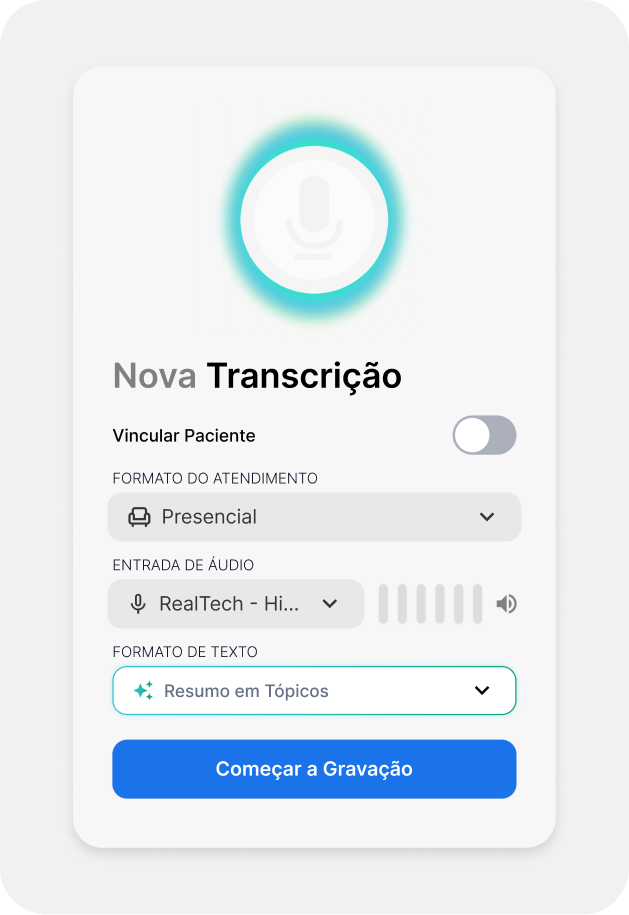
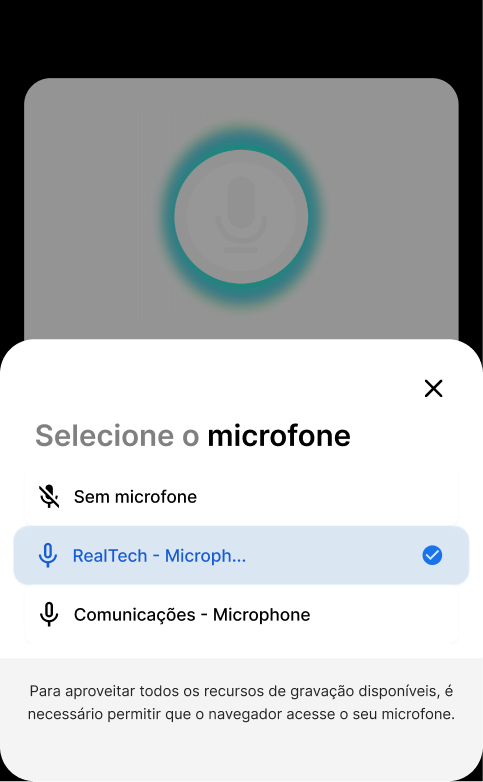
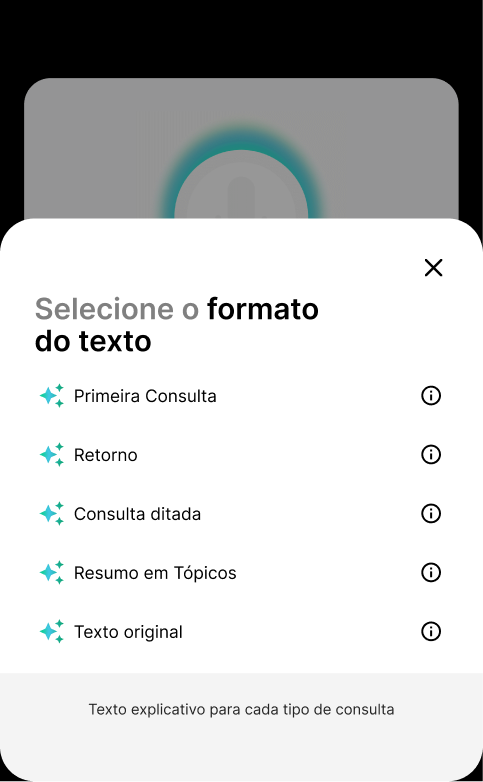
Transcription no longer required creating or linking a patient first. Users could complete the task and copy the result into the health record they already used.
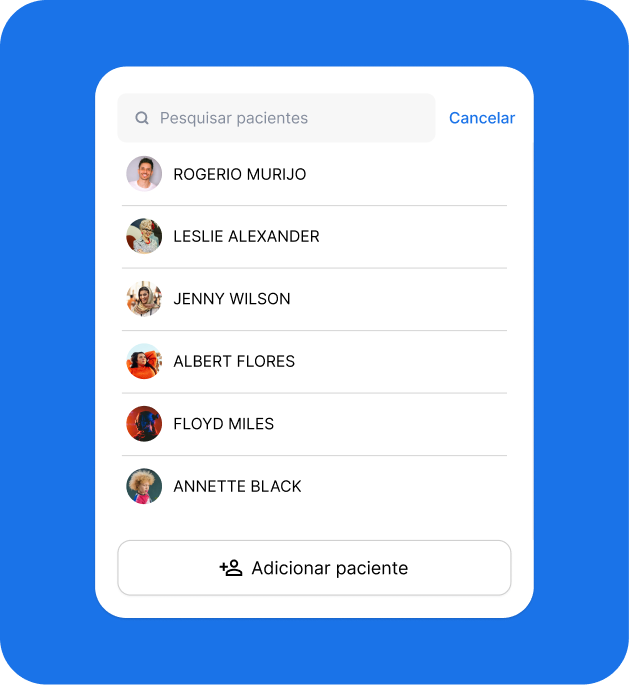
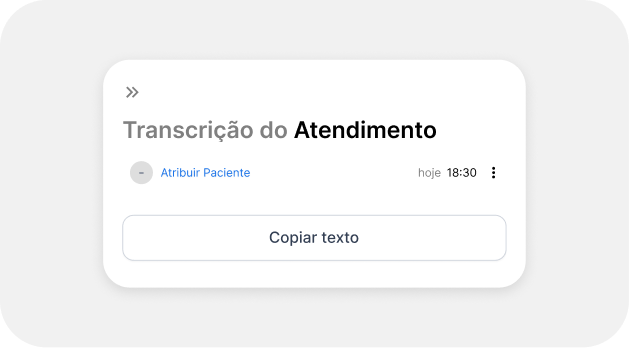
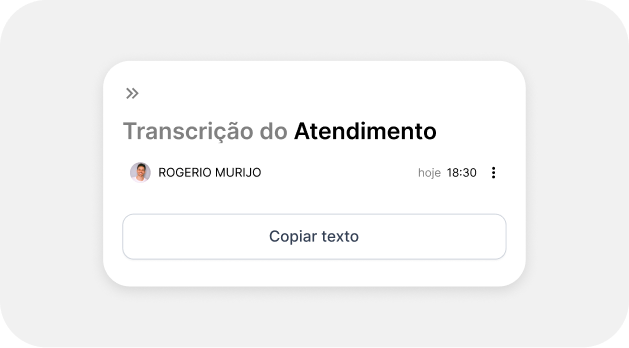
After transcribing, users could assign the result to a patient in Maia. The health record was still there, but it was no longer a requirement for trying transcription.
Where users enter the platform.
New users
New trial users, sent to the transcription-centered home.
Existing subscribers
Existing subscribers, keeping the previous home with access to the new transcription.
Without a round of usability testing before launch, we rolled out the new experience to trial users only.
Existing subscribers kept the previous home, with access to the new transcription from the menu and support from the account team.
Trade-off 02
What we limited
Reach of the new experience
Existing subscribers wouldn't get the new home, which limited early exposure to the redesign and the simplified journey.
What we preserved
Continuity of the experience
We avoided forcing an unvalidated change on subscribers' routines, while new users tried the redesigned journey.
How we balanced it
We kept the previous home, but made the new transcription available from the menu.
That way, subscribers could use the feature without having to adopt the whole new experience.
Results
In the three months after the new experience launched, we tracked the growth of trial users and subscribers.
168
new trial users — 12% above the target of 150.
11.9%
conversion: 20 of the 168 trials became subscribers.
+67%
subscriber base: from 33 to 55, a net gain of 22 customers.
These results show how acquisition and the subscriber base evolved after launch. Since there was no controlled experiment, the growth can't be attributed entirely to the redesign.
Learnings
The biggest lesson from this project was realizing that an existing feature could deliver more value once it stopped depending on the rest of the product.
Usage data helped spot the opportunity, but it took questioning one of the experience's assumptions: that users had to start with the health record to use Maia.
In redesigning the journey, we prioritized first value over showcasing every feature. At the same time, we preserved the experience for existing subscribers to limit the risks of the change.
Not running usability tests before launch also left an important limitation: we could track acquisition and conversion, but not directly measure how much the new journey improved usability.
If I kept evolving this experience, the next step would be to watch users complete their first transcription, identify real difficulties and measure completion of that task.
The value was already in the product. The challenge was making it easier to get to.
 Visit LinkedIn profile

Let's talk about design, business, working together, and more.

 Resume
 Linkedin
 rogerio@ximba.com.br